Ledger Login: Secure Access and Trusted Authentication for Managing Your Digital Assets
As the world increasingly shifts toward decentralized finance and digital asset ownership, secure authentication has become one of the most crucial components of crypto management. Ledger, a global leader in hardware wallet security, provides a robust and user-first approach to authentication through what many users refer to as “Ledger Login.” While Ledger Login is not a traditional username-and-password system, it represents the secure, hardware-based process by which users access their accounts, authorize transactions, and interact with applications through their Ledger devices. This unique login model helps ensure that sensitive information—especially private keys—remains safe from online threats.
Ledger Login is built around a simple idea: your hardware wallet is your identity. Instead of relying on centralized databases, cloud accounts, or credentials that can be stolen or phished, Ledger devices use secure chips and physical confirmations to authenticate actions. When you “log in” to Ledger Live or connect your Ledger to a Web3 application, you are not entering personal information; rather, you are proving ownership of private keys stored safely offline. This method reduces risk dramatically and gives users true ownership and control over their digital assets.
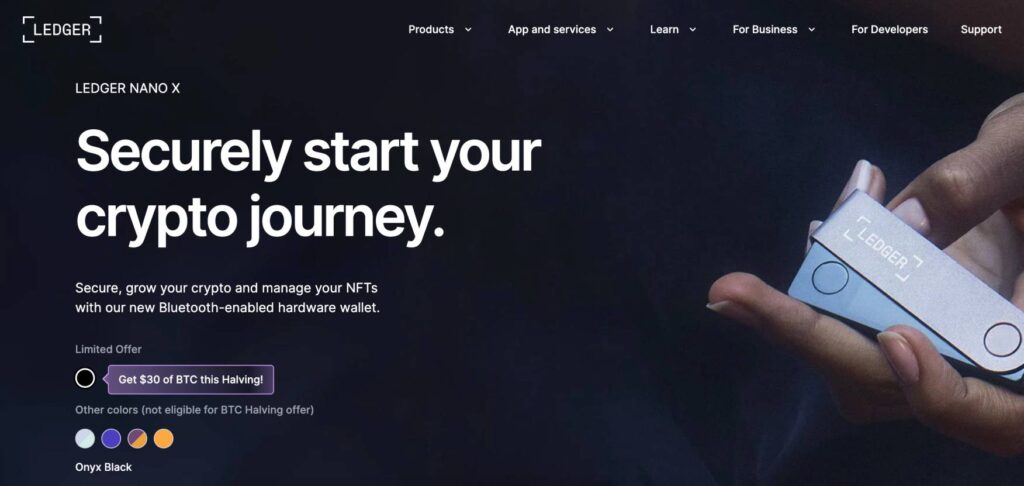
The Ledger Login process begins with the hardware wallet itself. Ledger devices such as the Nano S Plus and Nano X require users to set up a secure PIN code upon initialization. This PIN acts as the first layer of protection, preventing unauthorized individuals from accessing the device even if it is physically lost or stolen. When users want to access Ledger Live or connect the device to a blockchain application, they must first unlock it with the PIN, ensuring that only the rightful owner can interact with the wallet.
Once the device is unlocked, Ledger Login relies on the Secure Element chip—the same type of hardware used in passports and credit cards for encrypted authentication. This specialized chip stores private keys and cryptographic secrets in an isolated, offline environment that is fully resistant to malware, keyloggers, and remote attacks. Unlike software wallets or browser-based extensions, the keys used for authentication never touch the internet. This physical separation is the cornerstone of Ledger’s security model and the reason its login process is trusted by millions of users.
When logging in to Ledger Live, the interface automatically detects the connected hardware wallet and requests the user to open the appropriate application on the device—for example, the Bitcoin or Ethereum app. This provides an additional confirmation step, ensuring that the user is consciously approving access. Ledger Live then retrieves public data, such as account balances and addresses, without ever seeing or accessing private keys. The login flow is clean, simple, and designed to keep users fully in control.
Ledger Login is equally important when interacting with Web3 platforms, decentralized applications, or NFT marketplaces. Through Ledger’s secure connection methods, users can authenticate their identity and sign messages without exposing private keys to browsers or third-party interfaces. Instead of passwords or seed phrases being typed into websites—something extremely risky—the Ledger device is used to sign cryptographic challenges. This means that even if a user lands on a malicious website, the device will not sign unauthorized transactions or hand over sensitive information. Every action still requires manual approval through the device’s physical buttons, preventing fraudulent or accidental interactions.
This login system also plays a crucial role in preventing phishing attacks, one of the most common threats in the crypto space. Traditional login systems depend on users recognizing legitimate websites and avoiding fake ones. Ledger Login ensures that even if a user is tricked into visiting a fraudulent platform, their private keys remain safe. The device will never display a seed phrase, never request sensitive information from the user, and never sign transactions unless explicitly confirmed on its screen. As a result, users gain a significant security advantage against scams that often target less protected wallet systems.
Another important component of Ledger Login is its seamless integration with multiple accounts and assets. Because Ledger supports thousands of cryptocurrencies, users can manage diverse portfolios without juggling multiple logins or apps. Whether someone owns Bitcoin, Ethereum, NFTs, or dozens of altcoins, they can authenticate access using the same device and PIN. This unified approach simplifies portfolio management and makes advanced operations—such as staking, swapping, or interacting with DeFi protocols—both safe and convenient.
Ledger Login also promotes best practices around recovery. While authentication relies on the hardware device and PIN, the ultimate backup method remains the 24-word recovery phrase. If the device is lost or damaged, users can restore access on a new Ledger by entering the recovery phrase securely offline. Ledger emphasizes that this phrase should never be typed into a computer or phone, highlighting once again the importance of offline authentication methods. By reinforcing proper backup and recovery procedures, Ledger ensures that users remain protected against both digital and physical threats.
In today’s environment—where cyberattacks, phishing schemes, and data breaches are increasingly common—Ledger Login offers one of the most secure authentication systems available. It removes reliance on centralized accounts, keeps private keys offline, and requires physical confirmation for every sensitive action. The result is a powerful login model that prioritizes user autonomy, protects against online vulnerabilities, and provides a trusted pathway into the world of digital assets.
Whether accessing Ledger Live, connecting to DeFi platforms, or entering the Web3 ecosystem, Ledger Login stands as a cornerstone of safe and reliable crypto management. It offers the perfect balance between convenience and cutting-edge security, making it an ideal solution for both beginners and advanced users looking to protect what matters most—their digital ownership.